
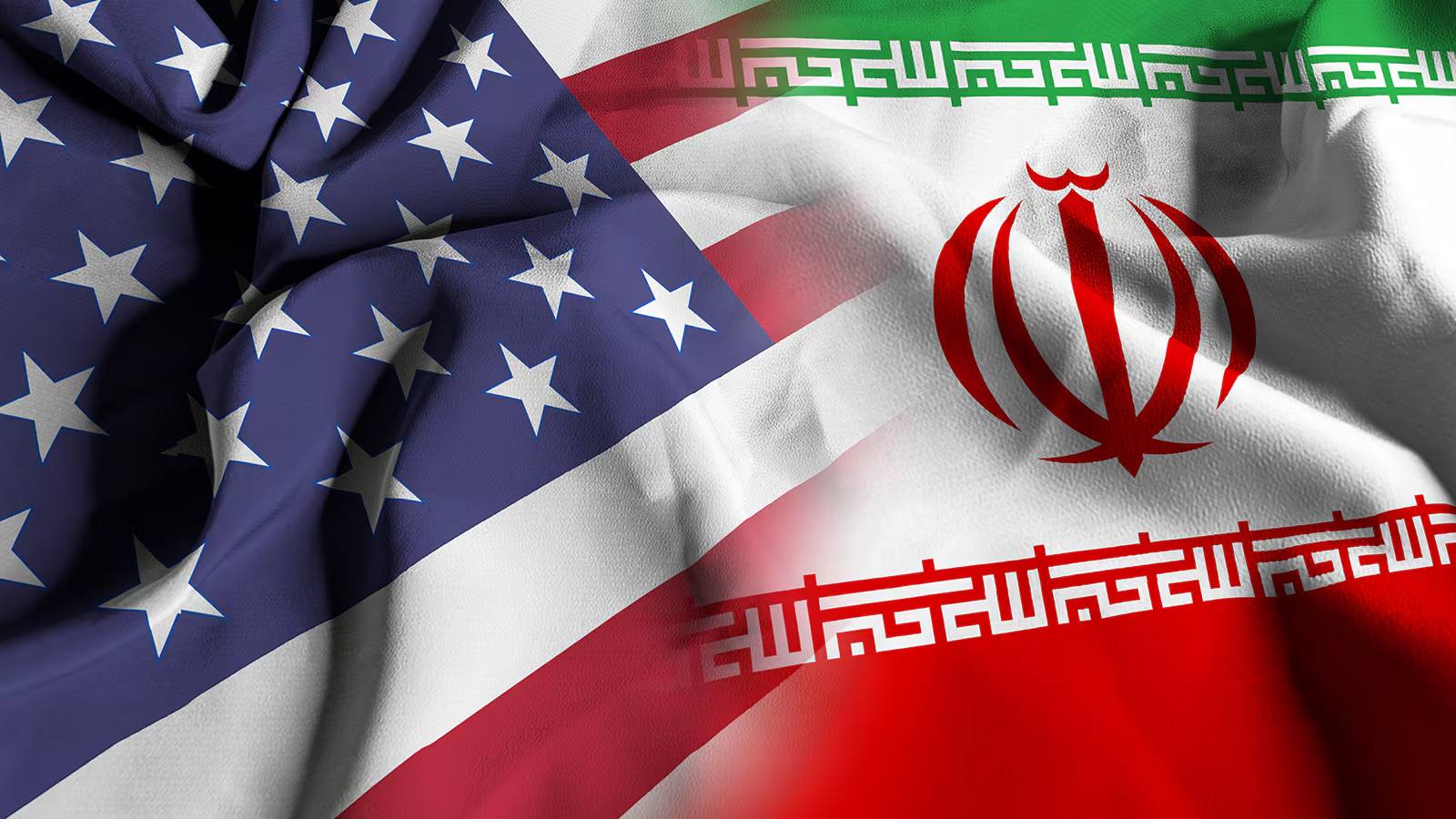
US, Iran Near Preliminary Deal to De-escalate Conflict; Oil Prices Slide
Read Time:2 Minute, 38 Second
Officials from the United States and Iran are nearing a preliminary agreement aimed at halting ongoing hostilities, according to multiple reports, though key issues remain unresolved and no final deal has been reached.
The two sides are currently negotiating a concise, one-page memorandum of understanding (MOU) that would serve as a framework for de-escalation and further diplomacy, rather than a comprehensive peace settlement.
Framework, Not Final Deal
According to officials familiar with the talks, the proposed document—reportedly consisting of 14 points—would outline initial steps to reduce tensions and open the door to more detailed negotiations. The agreement is still under discussion, and both sides have yet to formally approve its terms.
If finalized, the memorandum would likely initiate a limited pause in hostilities and trigger a follow-up negotiation period, during which more complex issues—particularly Iran’s nuclear program—would be addressed.
Core Issues Still Under Negotiation
At the center of the talks is a long-standing dispute over Iran’s nuclear activities. The United States has pushed for strict and long-term limits on uranium enrichment, while Iran has sought shorter-term restrictions and broader sanctions relief.
Recent discussions suggest that negotiators are exploring compromise options, including temporary limits on enrichment and phased economic concessions. However, no binding commitments have been confirmed.
Another key issue is the stability of the Strait of Hormuz, a vital global shipping route for oil. Both sides are believed to be considering steps to reduce tensions in and around the waterway, though details remain unclear.
Shift Toward Diplomacy
The latest progress follows signs of a strategic shift from military escalation toward diplomacy. Earlier this week, the United States paused a naval initiative in the region, a move widely interpreted as support for ongoing negotiations.
Diplomatic channels—reportedly involving regional intermediaries—have remained active in recent weeks, helping both sides continue discussions despite earlier deadlock over sequencing issues.
Markets Respond to Optimism
Global markets reacted swiftly to reports of potential de-escalation. Oil prices fell sharply, with Brent crude dropping below $100 per barrel, reflecting expectations that reduced tensions could stabilize energy supplies and ensure continued flow through the Strait of Hormuz.
Analysts caution, however, that market reactions are based on expectations rather than confirmed outcomes, and volatility could return if talks falter.
Uncertainty Remains
Despite signs of progress, officials stress that negotiations are ongoing and fragile. Critical questions—including the scope of nuclear restrictions, the timeline for sanctions relief, and enforcement mechanisms—have yet to be resolved.
There is also no guarantee that the current framework, if agreed upon, will lead to a lasting settlement. Much will depend on the success of subsequent negotiations and the political will of both governments to follow through.
A Pivotal Moment
The emerging framework represents the closest the two countries have come in recent months to easing tensions. While it raises cautious optimism about a potential pause in the conflict, it remains an early step in what could be a longer and uncertain diplomatic process.
For now, the situation remains fluid, with the world watching closely as Washington and Tehran continue negotiations that could shape the region’s immediate future.


Happy
0 %

Sad
0 %

Excited
0 %

Sleepy
0 %

Angry
0 %

Surprise
0 %
 0
0
 0
0


Average Rating